
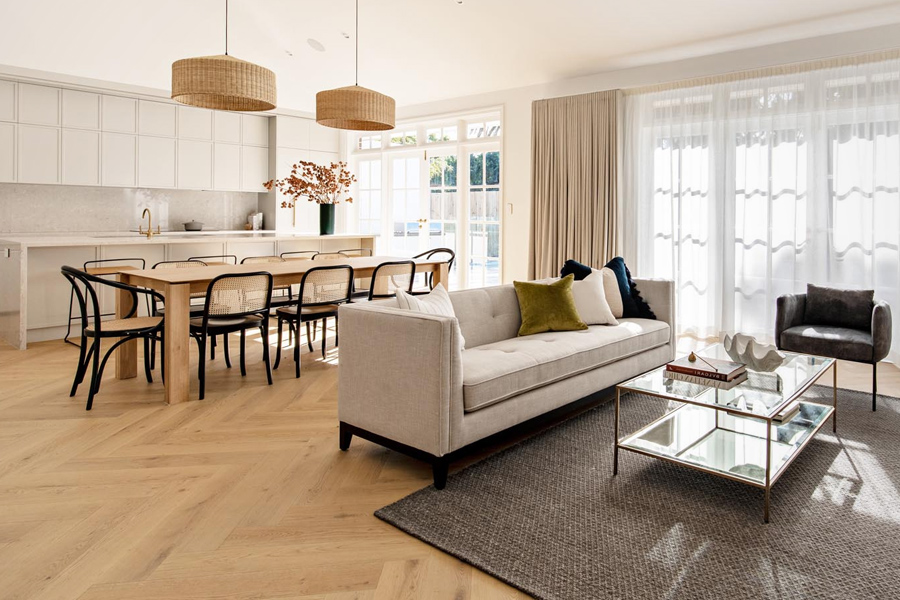
Deciding whether to rent or buy appliances and furniture is a question many households face at different stages of life. Moving into a new home, upgrading existing items, or managing short-term living arrangements can all trigger the same dilemma. At the centre of it is a practical concern: is it better to rent or buy when balancing cost, convenience, and long-term value?
There’s no one-size-fits-all answer. The right choice depends on how long you plan to use the items, how often your circumstances change, and how much flexibility matters to you. Understanding the trade-offs between renting and buying makes it easier to choose an option that fits your lifestyle rather than locking you into decisions that may not age well.
Comparing Upfront Costs and Long-Term Value
Buying furniture and appliances often requires a large upfront investment. Even before factoring in delivery, installation, and potential repairs, ownership ties up capital that could otherwise be used elsewhere. Over time, purchased items also depreciate, particularly appliances and technology.
Renting spreads costs over manageable payments, which can make budgeting easier, particularly for households with a steady income who prefer predictable expenses rather than large upfront purchases.
When Renting Furniture Is the Practical Option
Furniture needs can change more quickly than expected. Room sizes differ between properties, households grow or shrink, and design preferences evolve. Buying furniture assumes stability, while renting accommodates change.
Renting furniture often suits people who:
- Have household budgeting restraints and want to upgrade their furniture and appliances.
- Have a regular income and can manage small rental payments across a fixed term.
- Expect to move within a few years.
- Live in apartments or temporary housing.
- Want flexibility to update layouts or styles.
- Prefer not to manage resale or storage.
Options across living room furniture make it possible to furnish spaces without committing to pieces that may not suit future homes. For many households, this flexibility answers the question is it better to rent or buy in favour of renting.
Appliances: Reliability, Repairs, and Responsibility
Appliances are essential, but ownership comes with responsibilities beyond purchase. Repairs, warranties, and replacement cycles can add unexpected costs, especially for items used daily.
For households managing their expenses carefully, predictable rental payments can be easier to plan for than unexpected repair or replacement costs.
Renting appliances can be beneficial when:
- You want predictable costs.
- You prefer not to manage repairs.
- The property is rented or temporary.
- Appliances may need upgrading.
Accessing appliances through home appliances allows households to maintain functionality without long-term commitment. This can be particularly useful when appliances may become outdated or fail unexpectedly.
Technology and Entertainment Change Fast
TVs and sound systems evolve rapidly. New features, formats, and connectivity standards emerge every few years, making ownership feel outdated sooner than expected.
For households that value up-to-date technology, renting through TV and sound options provides access to modern setups without committing to long-term ownership. In this category, the decision often depends on how frequently technology expectations change.
Simplifying Setup With Bundled Solutions
Furnishing a home usually involves multiple purchases across furniture, appliances, and electronics. Coordinating these individually can be costly and time-consuming.
Bundled rental options such as saving bundles streamline the process by grouping essential items together. This approach reduces decision fatigue and supports households that want to get set up quickly without juggling multiple purchases.
Renting vs Buying Based on Lifestyle Stage
The decision often shifts depending on life stage:
- Short-term or transitional living: Renting offers flexibility.
- Growing households: Renting allows easy scaling without large upfront costs, making it easier to manage budgets as needs change.
- Stable, long-term living: Buying may make sense.
- Frequent movers: Renting avoids repeated replacement.
Revisiting the decision at each transition helps ensure choices align with current needs rather than assumptions about the future.
Final Thoughts
So, is it better to rent or buy appliances and furniture? The answer depends on how much flexibility, predictability, and convenience matter to you. Buying can suit settled households with long-term certainty, while renting supports change, mobility, and evolving needs.
Understanding the trade-offs allows households to make decisions that balance comfort, practicality, and financial control, without unnecessary commitment.
If you’re weighing up whether it is better to rent or buy for your home setup, exploring flexible options through Lightning Rentals can help you choose solutions that fit your lifestyle today without locking you into decisions that may not suit tomorrow.
FAQs

Reviewed by
Dean Hawes has more than nine years’ experience in Australia’s consumer leasing industry and reviews our content to help ensure it is accurate, practical and up to date. Drawing on his expertise in consumer leasing, affordability assessments, and household appliance and furniture rental, he helps Australians make informed leasing decisions.