

Furnishing a home can be one of the more significant expenses households face, particularly when moving into a new property or upgrading outdated furniture. While purchasing furniture outright is one option, many households today explore flexible payment arrangements to manage costs more effectively.
Flexible furniture payments allow residents to access essential furniture without committing to large upfront purchases. This approach can be especially helpful for people who have household budgeting restraints and want to upgrade their furniture and appliances, or for those who have a regular income and can manage small rental payments across a fixed term.
For households living in long term rentals, flexible payment options also provide a practical way to maintain comfortable living spaces without making permanent ownership commitments.
Understanding what to consider before choosing flexible furniture payments helps ensure decisions align with both household needs and financial planning.
1. Understand How Flexible Payments Work
Flexible furniture payments typically involve spreading the cost of furniture across smaller recurring payments over a set period. Instead of purchasing everything upfront, households can furnish their homes gradually while maintaining predictable expenses.
Many people explore options available through Lightning Rentals when reviewing furniture payment solutions that align with their living arrangements and budgets.
2. Evaluate Your Household Budget
Before committing to any furniture arrangement, it is important to assess overall household expenses. Rent, utilities, groceries, and transport all contribute to monthly spending.
Flexible payments are often most beneficial for households that:
- Have household budgeting restraints and want to upgrade their furniture and appliances.
- Prefer predictable expenses rather than large one-off purchases.
Taking time to understand your financial capacity helps ensure furniture payments remain manageable over time.
3. Consider Your Living Space
Different homes require different furniture setups. Apartments, townhouses, and larger family homes all have unique space requirements.
Exploring furniture categories such as furniture collections can help households identify pieces suited to their layout and daily routines before committing to payment arrangements.
Choosing furniture that matches the available space helps prevent unnecessary replacements or adjustments later.
4. Prioritise Essential Rooms First
When furnishing a home, it can be helpful to prioritise the areas used most frequently. Bedrooms, living areas, and dining spaces are typically the first rooms to be completed.
For example, browsing options within bedroom furniture can help establish a comfortable sleeping environment before focusing on other areas of the home.
Starting with essential rooms ensures daily comfort while allowing households to gradually add additional furniture.
5. Plan for Dining and Shared Spaces
Dining areas play an important role in many households, providing space for meals, gatherings, and everyday activities. Selecting suitable dining furniture early can help establish a functional household routine.
Options available within dining room furniture support a range of layouts and household sizes, from compact dining areas to larger family spaces.
Flexible payment arrangements allow households to secure these essential items while maintaining balanced finances.
6. Create Comfortable Living Areas
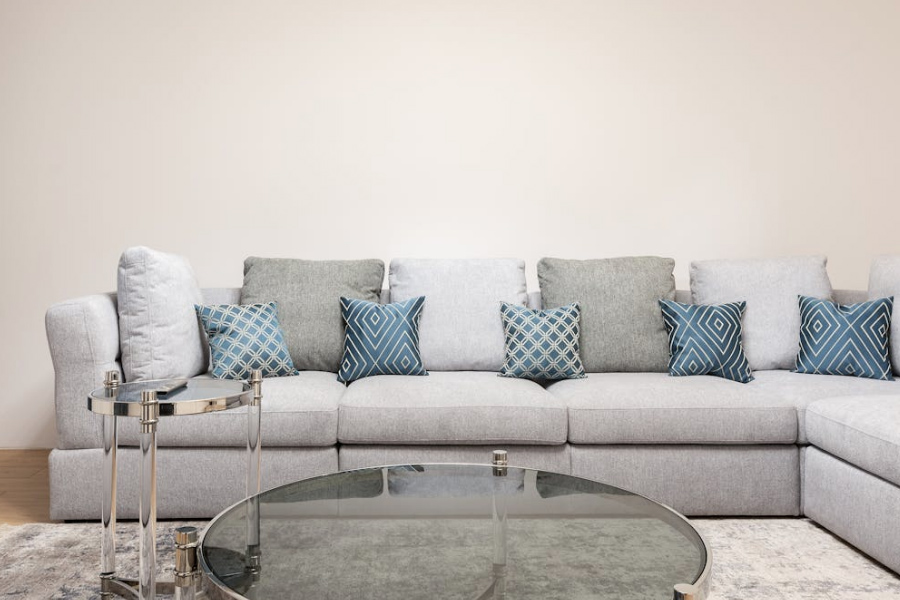
Living rooms often serve as the central gathering space within a home. Sofas, lounge seating, and entertainment areas contribute to both comfort and functionality.
Exploring choices within living room furniture helps households identify pieces suited to relaxation, entertainment, and everyday use.
For many households with stable income, spreading furniture costs across smaller payments can make it easier to furnish these spaces sooner rather than delaying upgrades.
7. Think About Long-Term Living Arrangements
Flexible furniture payments are particularly relevant for households in long term rentals. Many renters remain in the same property for several years but may prefer not to invest heavily in furniture ownership.
By spreading furniture costs across manageable payments, long-term tenants can create comfortable living environments without committing to large upfront purchases.
This approach provides flexibility if future relocation plans change.
8. Review Payment Terms Carefully
Understanding the structure of a payment plan is essential before making any commitments. Important considerations include:
- Payment frequency.
- Contract duration.
- Total cost over time.
- Flexibility if circumstances change.
Reviewing these details helps ensure that furniture payments align with household budgeting plans.
9. Plan Ahead Before Applying
Once you have assessed your furniture needs, household budget, and living arrangements, the next step is to consider whether flexible payments suit your circumstances.
For those exploring this option, reviewing application requirements through Apply Now can provide an overview of the process and eligibility considerations.
Planning ahead ensures the decision to furnish a home through flexible payments is well informed.
Final Thoughts
Flexible furniture payments provide an alternative way to furnish homes without large upfront expenses. For households balancing relocation costs, rental commitments, and everyday living expenses, spreading furniture costs across manageable payments can help maintain financial stability.
By carefully evaluating space requirements, budgeting considerations, and long-term living plans, households can choose furniture arrangements that support both comfort and practicality.
Flexible payment options can be particularly useful for people managing household budgets, individuals with regular income who prefer predictable expenses, and tenants settling into long term rentals.