
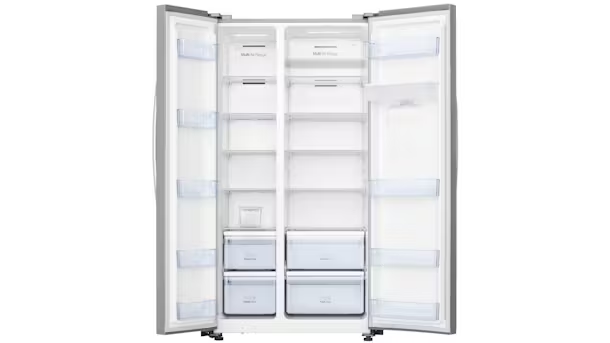
Selecting the right refrigerator capacity is one of the most practical decisions when upgrading a kitchen appliance. A fridge that is too small quickly becomes overcrowded, while an oversized unit may take up unnecessary kitchen space and consume more energy than needed.
For many households, appliance decisions also involve financial planning. Families and individuals often prefer manageable payment arrangements that allow them to upgrade essential appliances while maintaining stable monthly budgets. In these situations, choosing the correct fridge capacity from the beginning helps avoid unnecessary upgrades or replacements later.
Understanding how refrigerator capacity relates to household size can make kitchen planning simpler and more efficient. Whether for a single occupant, a couple, or a larger family household, matching storage capacity to lifestyle needs ensures the refrigerator supports everyday food storage without wasting space or energy.
Understanding Refrigerator Capacity (Litres)
Refrigerator capacity is typically measured in litres (L). This measurement represents the total usable storage volume across fridge and freezer compartments.
Most refrigerators fall within these general capacity ranges:
| Fridge Capacity | Typical Household Size |
| 150–250L | Single occupant |
| 250–350L | Couple or small household |
| 350–450L | 3–4 people |
| 450–600L | Large families |
| 600L+ | Very large households or shared homes |
Exploring and reviewing refrigerator models helps households compare storage capacities across different refrigerator designs, including bottom-mount, French-door, and side-by-side units.
Capacity should always be evaluated alongside kitchen space, shopping habits, and freezer storage needs.
Fridge Capacity for Single-Person Households
For individuals living alone, refrigerator capacity requirements are usually modest. Smaller fridges offer enough space for fresh produce, dairy products, frozen meals, and beverages without occupying too much kitchen space.
Typical capacity range: 150-250L
These refrigerators work well in:
- Studio apartments.
- One-bedroom units.
- Compact kitchen layouts.
Smaller units can also help reduce food waste because groceries are typically purchased in smaller quantities.
However, individuals who cook frequently or prefer bulk grocery shopping may benefit from slightly larger models around 300L to ensure enough storage flexibility.
For those comparing appliance options or planning other home upgrades, browsing available appliances through the Lightning Rentals homepage can help households understand how refrigerator sizes align with other kitchen appliances.
Fridge Capacity for Couples
Couples typically require more storage space than single-person households. Shared groceries, meal preparation, and frozen storage quickly increase refrigeration needs.
Typical capacity range: 250-350L
This capacity range provides space for:
- Weekly grocery shopping.
- Fresh vegetables and meal ingredients.
- Freezer storage for prepared meals.
- Beverage storage.
A mid-sized refrigerator such as the Haier 493L Bottom Mount Fridge – Silver offers additional storage flexibility while keeping a practical kitchen footprint.
Bottom-mount refrigerators are popular in smaller households because frequently used fridge compartments remain at eye level, while the freezer sits below.
Fridge Capacity for Families of Three to Four
Households with children typically require more refrigerator space to store larger grocery quantities, snacks, school lunches, and leftovers.
Typical capacity range: 350-500L
This range offers enough storage to support:
- Larger weekly grocery shops.
- Fresh food storage for multiple meals.
- Frozen foods and meal preparation.
- Family beverage storage.
Multi-door refrigerators are particularly useful for family kitchens because they provide multiple compartments that help organise food more efficiently.
An example is the Haier 463L Quad Door Fridge with Water Dispenser – Black, which separates refrigeration zones to make organising groceries easier.
Families often benefit from dedicated compartments for fresh produce, dairy, frozen foods, and beverages, helping reduce clutter inside the refrigerator.
Fridge Capacity for Larger Families
Larger households often require significantly more refrigeration space to manage food storage effectively. Grocery shopping is typically done in larger quantities, and freezer space becomes increasingly important.
Typical capacity range: 500-650L
Large refrigerators help accommodate:
- Bulk grocery purchases.
- Multiple meal preparations.
- Freezer storage for large families.
- Beverage storage for gatherings.
Side-by-side or multi-door refrigerators are common choices in this category.
For example, the Haier 574L Three Door Side-by-Side Fridge with Water Dispenser – Satina provides expanded refrigeration and freezer compartments suitable for larger family households.
Another example is the Hisense 649L Side-by-Side Fridge with Water Dispenser – Stainless Steel, designed for households that require extensive storage capacity across both fresh and frozen food sections.
When Households Benefit from Larger Fridges
Household size is only one factor when planning refrigerator capacity. Lifestyle habits also influence storage requirements.
Situations where larger refrigerators are beneficial include:
- Bulk grocery shopping.
- Weekly meal preparation.
- Large freezer storage needs.
- Hosting gatherings or family events.
- Households with teenagers or multiple children.
In these cases, additional fridge capacity can prevent overcrowding and improve food organisation.
Some households planning a broader kitchen appliance upgrade may also review coordinated appliance solutions such as the Space Saver Appliance Bundle when organising essential kitchen appliances within limited space. Combining compatible appliances can make kitchen planning simpler, particularly in apartments or smaller homes where layout efficiency is important.
Planning appliances together often helps ensure all units fit comfortably within the available kitchen layout.
Balancing Capacity with Kitchen Space
While larger refrigerators offer more storage, kitchen layout must still support the appliance.
Important planning considerations include:
- Kitchen cabinet width.
- Refrigerator depth relative to countertops.
- Door swing clearance.
- Ventilation space around the appliance.
Selecting a refrigerator that balances both storage capacity and kitchen layout ensures long-term practicality.
For households managing budgets carefully, choosing the correct capacity early helps avoid unnecessary appliance changes later.
Fridge Capacity and Long-Term Household Planning
Refrigerator purchases often align with broader household goals, including budgeting, lifestyle changes, and kitchen upgrades. Some households prefer appliances that can support their needs for several years without requiring replacement.
Selecting the right capacity based on household size helps ensure the refrigerator remains suitable as daily routines evolve.
When planning appliance upgrades across multiple categories, reviewing available options can help households compare appliance sizes, layouts, and storage capacities that fit both kitchen spaces and household needs.
A well-planned refrigerator capacity supports efficient grocery storage, reduces food waste, and improves everyday kitchen organisation.
Final Thoughts
Choosing the right refrigerator capacity is largely about matching storage space with household needs. Smaller households often benefit from compact refrigerators that minimise wasted space, while larger families require higher-capacity units to support weekly grocery storage and meal preparation.
Understanding how household size, grocery habits, and kitchen space interact helps ensure the refrigerator remains practical for everyday use. Careful capacity planning can prevent overcrowding, improve food organisation, and support long-term kitchen functionality.
FAQs

Reviewed by
Dean Hawes has more than nine years’ experience in Australia’s consumer leasing industry and reviews our content to help ensure it is accurate, practical and up to date. Drawing on his expertise in consumer leasing, affordability assessments, and household appliance and furniture rental, he helps Australians make informed leasing decisions.