

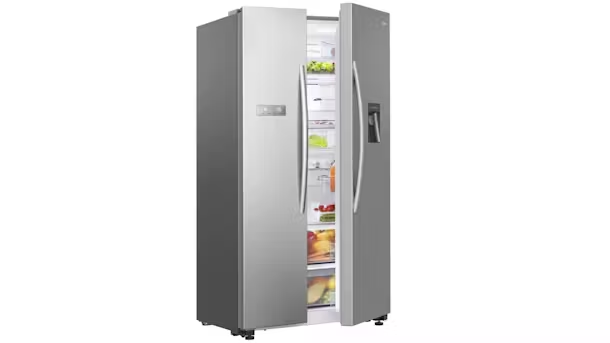
Choosing a refrigerator is not only about capacity or appearance. In many homes, the more practical challenge is ensuring the appliance physically fits the kitchen space and functions properly once installed. Fridge dimensions, door swing direction, and access clearance can all affect usability, safety, and long-term convenience.
These considerations are especially important for households managing budgets carefully. When upgrading appliances over a fixed payment term, selecting the right refrigerator size the first time helps avoid costly layout changes or appliance replacements later. A thoughtful approach to measurements ensures the fridge fits comfortably within the kitchen while remaining practical for everyday use.
Understanding how refrigerator sizing, door movement, and clearance requirements work together will help homeowners and renters plan their kitchen layouts more effectively.
Understanding Standard Fridge Dimensions
Refrigerators come in several size categories designed to suit different household needs and kitchen layouts. While exact measurements vary by model, most units fall within predictable dimension ranges.
Typical refrigerator measurements include:
| Fridge Type | Width | Height | Depth |
| Compact fridge | 50–60 cm | 120–150 cm | 55–65 cm |
| Top-mount fridge | 60–75 cm | 150–175 cm | 65–75 cm |
| Bottom-mount fridge | 70–80 cm | 170–180 cm | 70–80 cm |
| French door fridge | 80–100 cm | 170–180 cm | 75–85 cm |
Larger family households often select French-door designs for increased storage capacity. For example, the PureFlat Slim French Door 483L Dark Steel offers a wide interior layout while maintaining relatively slim external dimensions compared with traditional large refrigerators.
Before selecting a model, measuring the available kitchen cavity ensures the refrigerator fits without restricting airflow or surrounding cabinetry.
Why Door Swing Clearance Matters
Door swing clearance is one of the most overlooked elements when planning refrigerator placement. Even if a fridge fits within the cabinet opening, the doors still need enough space to open fully.
When the doors cannot open completely, common problems occur:
- Crisper drawers cannot slide out properly.
- Shelves become difficult to access.
- Cleaning and maintenance become harder.
- Interior storage becomes partially unusable.
Many refrigerators require 3-5 cm of clearance on the hinge side and significantly more space in front for door opening.
In smaller kitchens or apartment layouts, planning this clearance early helps avoid positioning the refrigerator where nearby walls, cupboards, or benches block the door.
Access Clearance Around the Refrigerator
Refrigerators also require space around the appliance to function efficiently. Without adequate airflow, the compressor works harder, which can increase energy consumption and reduce appliance lifespan.
Typical ventilation recommendations include:
- Top clearance: 2-5 cm
- Side clearance: 2-3 cm
- Rear clearance: 5-7 cm
These gaps allow heat to dissipate and ensure stable operation over time. For kitchens with tight cabinetry or built-in appliance spaces, checking the manufacturer’s ventilation requirements before installation is essential.
For households comparing different models and sizes, browsing the full refrigerator range can help identify dimensions that suit specific kitchen layouts.
Measuring Your Kitchen Space Correctly
Accurate measurements reduce installation issues and help households select appliances that work within their existing kitchen layout.
When measuring for a refrigerator, consider three key areas.
1. Cabinet Opening
Measure:
- Width between cabinets or walls.
- Height from floor to overhead cabinetry.
- Depth from wall to the edge of the counter.
These measurements determine the maximum appliance size that can fit.
2. Doorway and Hallway Access
The refrigerator must also be able to pass through entryways during delivery. Measure:
- Front door width.
- Hallway clearance.
- Staircase turns if applicable.
Large refrigerators sometimes require temporary door removal during installation.
3. Kitchen Traffic Flow
Ensure the refrigerator door does not block walkways, cupboards, or cooking areas. In compact kitchens, careful placement helps maintain a functional workflow between the sink, stove, and refrigerator.
Planning for Apartment and Compact Kitchen Layouts
Apartments and smaller homes often have limited kitchen footprints, making refrigerator placement more challenging.
Several practical considerations help maximise available space:
- Choose narrower fridge widths where cabinetry is limited.
- Select counter-depth models to align with bench depth.
- Avoid placing refrigerators where doors block walkways.
- Ensure nearby cupboards can still open fully.
Some households planning a broader kitchen upgrade prefer coordinated appliance sets designed to suit smaller layouts. Appliance combinations such as the Space Saver Appliance Bundle can simplify planning by ensuring compatible appliance dimensions across the kitchen.
Larger Households and Family Kitchen Planning
Family homes often prioritise storage capacity. Larger refrigerator models allow households to store groceries for longer periods, which can help manage weekly shopping costs and reduce frequent store visits.
When planning for larger units, households should check:
- Kitchen entry width for delivery access.
- Cabinet depth for larger fridge bodies.
- Door swing clearance for double doors.
- Ventilation space around the appliance.
Families upgrading multiple appliances simultaneously sometimes review bundled kitchen solutions such as the Big Family Appliance Bundle to ensure appliance sizes align across the kitchen.
These considerations become particularly relevant for households making long-term appliance decisions within structured payment arrangements.
Fridge Placement and Long-Term Household Planning
Appliance planning often reflects broader household priorities. Many households aim to upgrade appliances gradually while managing monthly expenses carefully. Selecting the correct refrigerator size, layout compatibility, and door clearance early reduces the risk of future kitchen adjustments.
In many cases, refrigerator selection is part of a broader home appliance plan that includes laundry appliances, televisions, and kitchen equipment. Reviewing appliance options together at Lightning Rentals can help households understand how different appliance categories align with available space and long-term household needs.
A well-planned appliance layout improves both daily usability and long-term kitchen functionality.
Common Fridge Measurement Mistakes to Avoid
Several common mistakes lead to installation problems after delivery.
1. Not measuring door swing space: Many kitchens measure only the cabinet cavity but forget that refrigerator doors extend outward.
2. Ignoring ventilation clearance: Refrigerators require airflow to operate efficiently. Tight installations can affect performance.
3. Forgetting delivery access: Large refrigerators may not fit through narrow doorways or hallways.
4. Overlooking nearby cupboards or walls: Adjacent cabinets can block fridge doors if hinge clearance is insufficient.
Taking a few extra measurements beforehand helps prevent these issues.
Final Thoughts
Refrigerator selection involves more than choosing a capacity or finish. Accurate measurements, sufficient door clearance, and proper ventilation all play an important role in ensuring the appliance works smoothly within the kitchen environment.
Whether planning for a compact apartment kitchen or a larger family layout, understanding fridge dimensions and installation requirements helps households make practical appliance decisions that remain functional for many years. Careful measurement and layout planning can prevent common installation issues while supporting long-term household budgeting and appliance upgrades.