
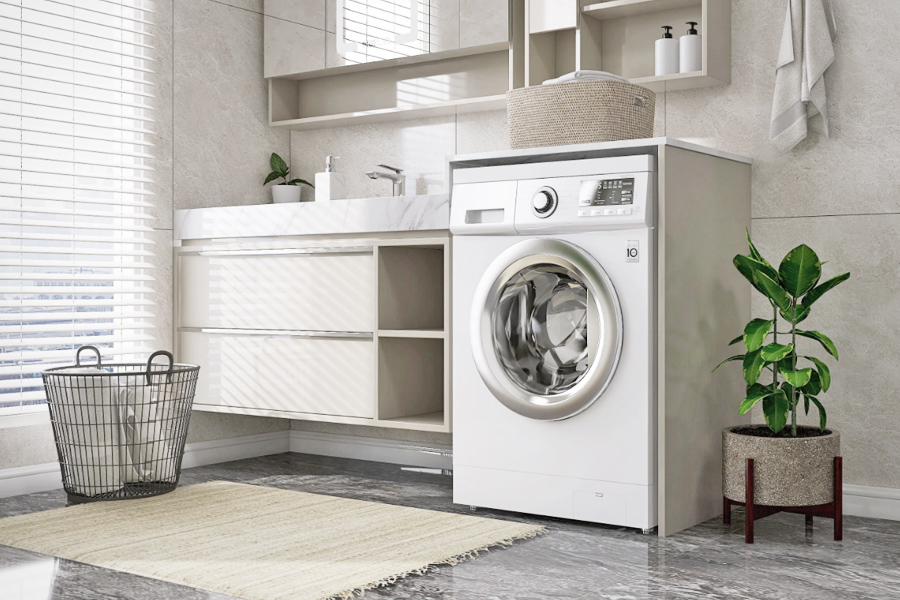
Choosing between a front load and top load washing machine often comes down to space, installation requirements, and household routines. While both options perform the same core function, their design differences can significantly affect how well they fit into a home.
For households relocating, upgrading appliances, or furnishing long term rentals, understanding the practical differences between these machine types helps ensure laundry appliances suit both the living environment and daily washing needs.
Exploring available laundry appliances helps households compare configurations and determine which washing machine style aligns best with their space and lifestyle.
Understanding the Difference Between Front Load and Top Load Machines
Front load machines open from the front with a horizontal drum, while top load machines open from above with a vertical drum. These structural differences influence installation flexibility, space efficiency, and ease of use.
Both designs are available across the washing machine range, making it possible to select a model that suits different household layouts and laundry areas.
The decision often depends on available floor space, accessibility preferences, and laundry habits.
Space Requirements and Layout Considerations
One of the biggest differences between front load and top load washing machines is how they fit into a laundry layout.
Front load machines typically require more horizontal clearance because the door opens outward. However, they can often be installed under countertops or stacked with dryers, making them suitable for compact laundries or apartments.
For example, models such as the Fisher & Paykel 10kg Front Load Washing Machine with Steam Care offer larger capacity within a space-efficient design suitable for integrated laundry areas.
Similarly, appliances like the Haier Front Loader Washing Machine 10kg UV Protect provide advanced cleaning capabilities while maintaining a compact footprint.
Top load machines, on the other hand, require more vertical clearance but less front-facing space. They are often preferred in laundries where opening the door outward may be inconvenient.
The Haier 10kg Top Load Washing Machine is an example of a model designed for straightforward installation in traditional laundry layouts.
Installation and Accessibility
Installation factors can influence the decision between machine types. Front loaders are generally installed flush with cabinetry or benchtops and may be stacked with dryers in smaller homes.
Larger front load machines such as the Hisense 12kg Front Load Washing Machine are often chosen by families who require higher capacity while maintaining efficient water usage. Top loaders, meanwhile, can be easier to load and unload without bending down, which some users find more convenient for frequent laundry tasks.
Installation requirements should also consider door clearance, plumbing connections, and the available space in the laundry area.
Household Size and Laundry Habits
The choice between front and top load machines is also influenced by household size and laundry frequency.
Smaller households or apartment residents may prioritise compact appliances that maximise limited laundry space. Larger households, however, often benefit from higher capacity machines that reduce the number of washing cycles required each week.
When upgrading appliances, many households:
- Have household budgeting restraints and want to upgrade their furniture and appliances
- Prefer spreading appliance costs rather than making large upfront purchases
Flexible arrangements allow households to access suitable appliances without delaying essential upgrades.
Budget Considerations for Appliance Upgrades
Appliance upgrades often occur alongside other household expenses such as moving costs, furniture purchases, and utility connections. For this reason, many households prefer structured payment options rather than paying the full cost of appliances at once. Flexible arrangements are particularly relevant for people who have a regular income and can manage small rental payments across a fixed term. This approach allows households to establish functional laundry spaces while maintaining predictable expenses.
For renters living in long term rentals, upgrading appliances through structured payments can help maintain convenience without making large upfront commitments. Reviewing available options through Lightning Rentals allows households to compare washing machines and determine which appliance configuration best suits their living environment.
Final Thoughts
Front load and top load washing machines both offer advantages depending on the layout and needs of the household. Front loaders often suit compact or integrated laundry spaces, while top loaders can provide convenient access and straightforward installation. When planning laundry appliances, it is helpful to consider available space, installation requirements, and household washing habits. Selecting the right machine helps ensure laundry routines remain efficient and convenient for years to come.
FAQs

Reviewed by
Dean Hawes has more than nine years’ experience in Australia’s consumer leasing industry and reviews our content to help ensure it is accurate, practical and up to date. Drawing on his expertise in consumer leasing, affordability assessments, and household appliance and furniture rental, he helps Australians make informed leasing decisions.