
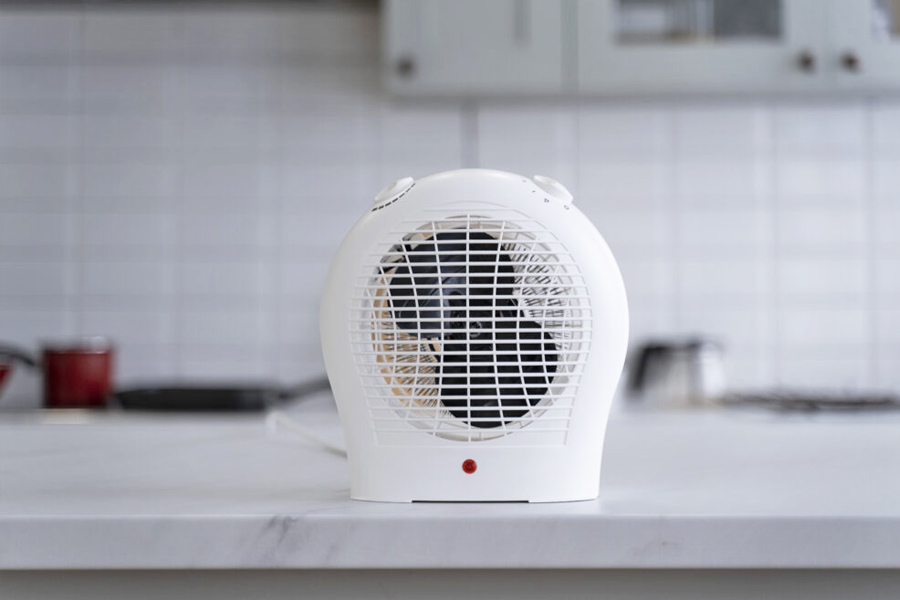
Heater payment plans allow households to upgrade essential winter heating equipment without paying the full purchase price upfront. Instead, the cost is spread across fixed weekly or fortnightly instalments over an agreed term.
These plans are designed for households with regular income who prefer manageable payments and predictable budgeting. They are commonly used by families upgrading heaters and other essential appliances when a large one-time purchase is not practical.
By paying over time instead of upfront, households can maintain winter comfort while keeping expenses under control.
What Is a Heater Payment Plan?
A heater payment plan is a structured instalment arrangement that lets you get a heater now and spread the cost across scheduled payments.
Most heater payment plans include:
- Fixed weekly or fortnightly payments.
- A defined payment term.
- No large upfront purchase required.
- Immediate access to the heater.
- A pathway toward long-term use or ownership.
This model supports essential appliance upgrades while protecting household cash flow.
Explore: Heaters for Rent
Who Are Heater Payment Plans Best For?
Heater payment plans are best suited for:
- Households managing tight budgets.
- People with steady income streams.
- Weekly or fortnightly wage earners.
- Families upgrading older heaters.
- Homes setting up essential appliances.
- Customers who prefer instalments over lump-sum purchases.
They are especially helpful when households need to improve heating and other essential appliances at the same time but want to keep payments manageable.
Why Winter Heating Costs Put Pressure on Budgets
Winter heating costs increase because heaters run longer and energy usage rises.
Common causes include:
- Longer daily operating hours.
- Night-time heater use.
- Cold weather demand.
- Poor insulation and draughts.
- Larger spaces needing heat.
- Older, less efficient heaters.
This creates a double expense, higher electricity bills plus the need for reliable heating equipment. Payment plans help households manage the equipment cost portion more smoothly.
How Heater Payment Plans Support Household Budgeting
Heater payment plans improve budgeting by converting a large purchase into smaller scheduled payments.
This helps households:
- Avoid large upfront spending.
- Keep expenses predictable.
- Match payments to income cycles.
- Upgrade essential appliances sooner.
- Reduce seasonal financial stress.
For customers with regular income, structured instalments are often easier to manage than unexpected major purchases.
How Much Does a Room Heater Cost for Winter?
The cost of a room heater for winter depends on:
- Heater type.
- Heating capacity.
- Room size coverage.
- Energy efficiency.
- Safety features.
- Product quality.
Smaller heaters cost less but heat limited areas. Larger or higher-output heaters cost more but are needed for shared living spaces.
Total winter heating spend should be considered as: heater cost + electricity usage + efficiency level
Payment plans spread the heater cost across time, making upgrades more accessible for budget-restricted households.
What Types of Heater Payment Plans Exist?
Heater payment plans typically follow instalment or rent-to-own style structures rather than short-term hire. Common options include:
- Weekly Instalment Plans: Small payments aligned with weekly income.
- Fortnightly Instalment Plans: Suitable for fortnightly wage cycles.
- Fixed-Term Payment Agreements: Structured payments across a defined period.
- Rent with the Option to Purchase Appliance Plans: Payments contribute toward long-term use and possible ownership.
- Appliance Upgrade Plans: Heaters included alongside other essential appliance upgrades.
These models are built for ongoing household use, not temporary or short-term hire.
Can You Upgrade Heating Without Paying Upfront?
Yes. Instalment-based heater payment plans are specifically designed to allow upgrades without large upfront costs.
This is useful when:
- Existing heaters are outdated or inefficient.
- Heating is essential now.
- Savings are limited.
- Multiple appliances need upgrading.
- Budget stability is a priority.
Instead of delaying necessary improvements, households can upgrade heating through manageable payments.
How Heater Payment Plans Fit Appliance Upgrade Strategies
Many households use structured payment plans to upgrade essential furniture and appliances over time rather than waiting to save the full purchase amount.
This approach supports:
- Budget-constrained households.
- Regular income earners.
- Staged home upgrades.
- Predictable expense planning.
- Essential equipment replacement.
Heaters are often part of a broader essential appliance upgrade plan managed through instalments.
How to Reduce Winter Heating Costs While Using a Heater
Payment plans manage equipment cost, but efficient usage reduces ongoing energy spend.
Ways to lower winter heating costs include:
- Heating only occupied rooms
- Closing doors to retain warmth
- Using moderate temperature settings
- Using timers instead of continuous overnight operation
- Reducing draughts
- Improving basic insulation
- Using thermal curtains
- Letting sunlight warm rooms during the day
These habits reduce electricity consumption and total winter cost.
Are Heater Payment Plans Better Than Paying Upfront?
It depends on your financial situation. Payment plans are often better when:
- Upfront funds are limited.
- Budget predictability matters.
- Income is steady.
- Heating upgrades are urgent.
- Multiple essentials need replacing.
Paying upfront may suit households with available savings who prefer immediate ownership without instalments.
For many working households, spreading payments makes essential upgrades more practical.
Final Thoughts
Heater payment plans let households upgrade winter heating without a large upfront purchase. Costs are spread across fixed weekly or fortnightly instalments. These plans are best for budget-constrained households and people with regular income who prefer predictable payments. They support essential appliance upgrades and long-term household use rather than short-term rental.