
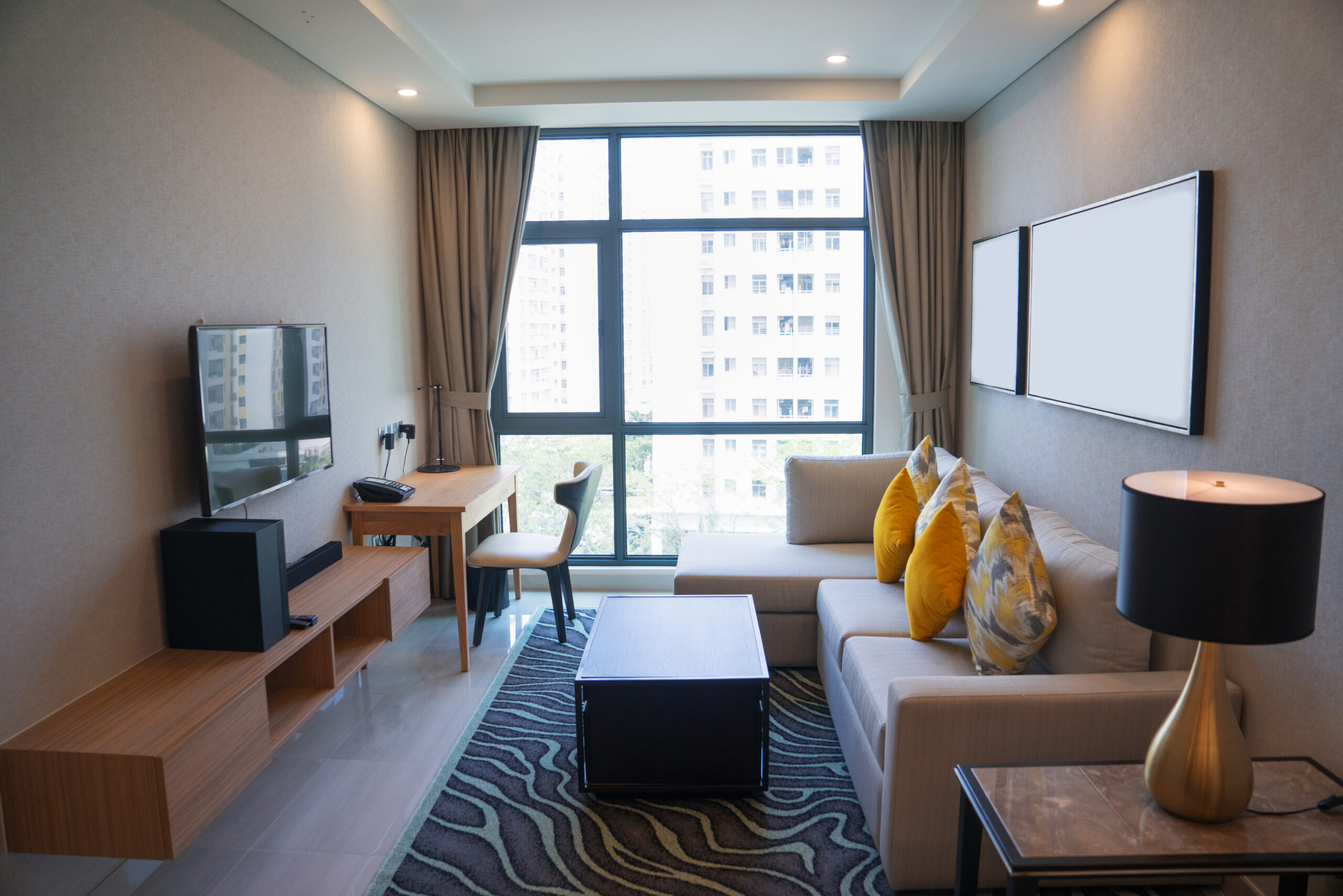
Living rooms are no longer used solely for relaxation or entertaining. In many homes, they now function as shared family areas, entertainment spaces, work zones, and storage areas simultaneously. As homes become more flexible, furniture planning plays a larger role in maintaining comfort and functionality without overcrowding the room.
Creating a successful multi-use living room requires balancing layout, storage, circulation, and furniture scale. This is particularly relevant for households that have household budgeting restraints and want to upgrade their furniture and appliances, as well as households with regular income who can manage small rental payments across a fixed term. It is also important for long term rentals, where adaptable furniture choices often provide better long-term practicality.
Thoughtful furniture planning helps ensure living rooms remain organised, comfortable, and suitable for multiple everyday activities.
Understanding the Purpose of the Living Room
Before selecting furniture, it helps to identify how the living room will actually be used. In many homes, the space may need to support:
- Television and entertainment viewing
- Social gatherings
- Reading or study areas
- Storage for household items
- Casual dining or work-from-home tasks
Exploring different layouts within living room furniture collections can help households compare furniture arrangements that suit these overlapping needs.
Understanding primary and secondary room functions makes furniture planning more efficient.
Planning Around Seating Areas
Seating is typically the central focus of a multi-use living room. Sofas and lounge suites influence traffic flow, viewing angles, and how the room is divided into usable zones.
Choosing suitable seating from the lounge furniture range helps establish the foundation of the layout while maintaining adequate circulation space around the room.
For smaller living rooms, compact seating arrangements may improve flexibility. Larger homes may support sectional layouts or multiple seating zones.
Maintaining enough clearance between furniture pieces helps ensure the room remains functional rather than crowded.
Integrating TV Units Into the Layout
Entertainment systems are often one of the primary functions within a living room. Proper placement of televisions and supporting furniture affects both usability and room balance.
Selecting suitable storage from the TV unit collection helps organise media equipment, consoles, and accessories while maintaining visual structure within the room.
When planning a multi-use layout, TV units should:
- Align with seating sightlines
- Avoid obstructing walkways
- Provide sufficient cable and storage management
This helps maintain a cleaner and more organised living environment.
Using Tables to Improve Functionality
Tables play an important supporting role in living room layouts. Different table types contribute to both usability and visual balance.
Options within living room tables can help define activity zones while supporting practical everyday use.
Coffee Tables
A well-positioned coffee table creates a central surface for entertaining, storage, or daily household use. The size should complement the seating arrangement without restricting movement.
Side Tables
Compact side tables improve convenience by providing accessible surfaces beside seating areas without occupying excessive space.
Using multiple smaller tables rather than one oversized piece can improve flexibility in multi-purpose layouts.
Storage is one of the most important considerations in multi-use living rooms, particularly in apartments and rental homes where space may be limited.
Furniture such as a buffet or hutch can provide additional storage for household items while also contributing to the visual structure of the room.
Well-integrated storage solutions help reduce clutter and improve organisation without requiring separate rooms or additional cabinetry.
Furniture Planning for Long-Term Rentals
Many households living in long term rentals want living rooms that feel complete and functional without overcommitting financially.
Furniture planning becomes particularly important when:
- Layouts may need to adapt over time
- Space limitations influence furniture selection
- Budget flexibility is required during setup
For households with regular income who can manage small rental payments across a fixed term, structured furniture arrangements can make it easier to establish practical living spaces while maintaining manageable expenses.
Reviewing available furniture options through Lightning Rentals allows households to compare layouts and furniture combinations that suit both space requirements and financial planning.
Balancing Layout and Movement
One of the most common mistakes in living room planning is overcrowding. Multi-use spaces still require open circulation areas to remain practical.
As a general guide:
- Maintain clear walkways between furniture
- Avoid oversized pieces in smaller rooms
- Position storage furniture along walls where possible
- Use proportionally scaled furniture for the room size
A balanced layout supports flexibility while helping the room feel organised and comfortable.
Final Thoughts
Multi-use living rooms require careful furniture planning to balance comfort, storage, functionality, and movement. The right layout depends on how the space is used day to day and how different furniture pieces work together within the room.
By selecting appropriately scaled seating, storage, and tables, households can create living areas that remain flexible and practical over time.
For households upgrading furniture or furnishing long term rentals, thoughtful planning helps improve usability while supporting better organisation and space efficiency.
FAQs

Reviewed by
Dean Hawes has more than nine years’ experience in Australia’s consumer leasing industry and reviews our content to help ensure it is accurate, practical and up to date. Drawing on his expertise in consumer leasing, affordability assessments, and household appliance and furniture rental, he helps Australians make informed leasing decisions.