
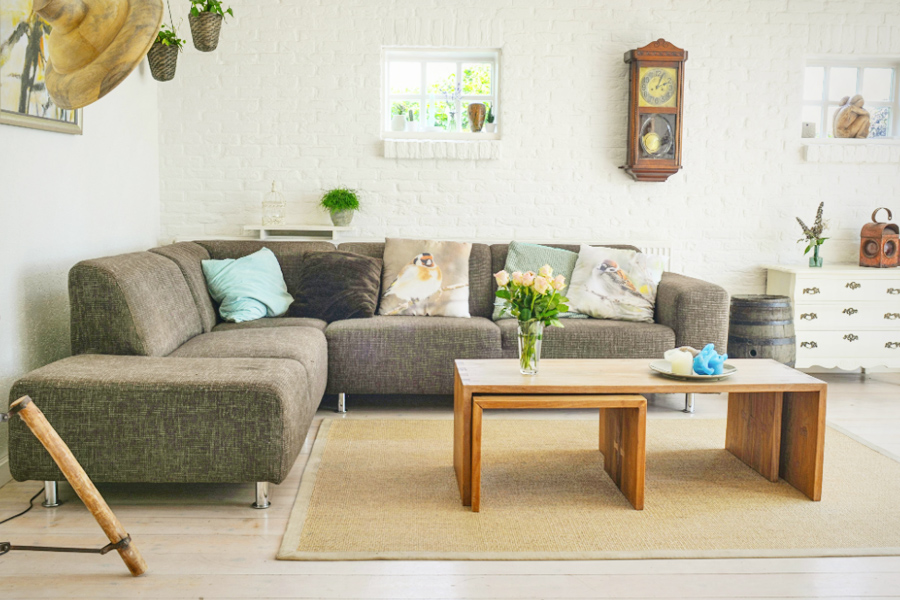
Furnishing a living room can be one of the biggest expenses when moving into a new home or upgrading your space. Between sofas, coffee tables, TV units and accent chairs, the costs add up quickly. For many, paying thousands of dollars upfront simply isn’t realistic.
Lounge furniture rental offers an alternative. Instead of large upfront payments, you can access quality furniture through manageable weekly or fortnightly installments. This guide explains how furniture rental works, what to consider before committing, and how to choose pieces that suit your home and budget.
What Is Lounge Furniture Rental?
Furniture rental, also known as rent to purchase, allows you to use furniture while making regular payments over an agreed term. This arrangement is structured as a consumer lease, where you don’t automatically own the furniture at the end of the rental period, though ownership options may be available depending on the agreement.
This payment model is designed for people who:
- Need furniture immediately but can’t afford upfront costs.
- Prefer spreading expenses over time.
- Want flexibility without long-term commitment.
- Are renting and may relocate in the future.
Common rental terms range from several months to a few years, with payment frequency typically set at weekly or fortnightly intervals.
Who Benefits Most from Furniture Rental?
Furniture rental suits a range of situations where traditional purchasing isn’t practical or possible.
- Renters and First-Time Movers: If you’re moving into an unfurnished rental, furniture rental helps you set up quickly without depleting savings. You can furnish your living room with essential pieces and spread the cost across your rental term.
- Families on Tight Budgets: Young families or single-income households often need to prioritise other expenses like childcare, bills and groceries. Renting allows you to furnish your home gradually while maintaining cash flow for day-to-day needs.
- People Rebuilding After Financial Setbacks: After relationship breakdowns, redundancy or other financial challenges, furniture rental provides a pathway to re-establish a comfortable home without requiring significant upfront capital.
- Temporary Living Arrangements: If you’re living somewhere temporarily for work or personal reasons, renting gives you access to quality furniture without the hassle of buying, storing or selling when you move.
Key Considerations Before Renting Lounge Furniture
Before entering a furniture rental agreement, it’s important to understand the terms and assess whether this option aligns with your financial situation.
- Understand Total Costs: Rental agreements include fees beyond the furniture’s retail value. Review the total amount payable over the rental term, including any administration fees, delivery charges or insurance costs. Compare this to the cost of purchasing the same furniture outright.
- Know Your Payment Obligations: Late or missed payments can result in additional fees or affect your credit rating. Ensure the payment schedule fits comfortably within your budget, accounting for other regular expenses.
- Clarify Ownership and End-of-Rental Options: Some agreements allow you to purchase the furniture at the end of the rental term, while others require you to return it. Understand what happens when your rental ends and whether you’ll have the option to buy, extend or upgrade.
- Check Responsibilities for Damage and Maintenance: Most rental agreements hold you responsible for reasonable care of the furniture. Accidental damage, stains or structural issues may incur repair or replacement charges. Ask about damage protection options if available.
- Review Flexibility and Early Exit Conditions: Life circumstances change. If you need to move, downsize or exit the agreement early, understand what fees or penalties apply. Some providers offer flexibility, while others have strict terms.
Choosing the Right Lounge Furniture for Your Space
When selecting furniture through a rental arrangement, focus on pieces that balance practicality, comfort and longevity.
Start with Essential Pieces
Core lounge furniture typically includes:
- A sofa or lounge suite.
- A coffee table.
- A TV unit or entertainment centre.
- Optional additions like armchairs, side tables or ottomans.
Prioritise the items you’ll use daily. You can always add accent pieces later if your budget allows.
Consider Your Space and Layout
Measure your living room before selecting furniture. A large sectional might look appealing but could overwhelm a small space. Similarly, ensure doorways, hallways and staircases can accommodate delivery.
Think about how you use your living room. Do you entertain often? Do you need extra seating? Does your layout require modular furniture that can be rearranged?
Choose Durable, Low-Maintenance Materials
Since you’ll be responsible for keeping the furniture in good condition, opt for materials that suit your lifestyle:
- Leather or faux leather for easy cleaning.
- Durable fabrics if you have children or pets.
- Solid timber or engineered wood for tables and TV units.
Neutral colours like grey, beige or charcoal tend to suit most décor styles and hide wear better than lighter shades.
Match Your Aesthetic
Your living room should reflect your personal style while remaining functional. Consider whether you prefer:
- Modern minimalist designs with clean lines.
- Traditional or classic styles with detailed upholstery.
- Coastal or Scandinavian-inspired pieces with natural textures.
Many rental providers offer a range of styles, so you’re not limited to generic options.
Budgeting for Furniture Rental Payments
Furniture rental can be affordable if planned carefully, but it’s essential to ensure payments fit comfortably within your budget.
Calculate Weekly or Fortnightly Costs
Divide your total monthly expenses by four (weekly) or two (fortnightly) to understand how much discretionary income remains. Factor in rent, utilities, groceries, transport, insurance and other non-negotiable costs first.
If your rental payment leaves little room for unexpected expenses, consider starting with fewer pieces or extending the rental term to reduce installments.
Account for Additional Costs
Beyond regular payments, remember to budget for:
- Delivery and setup fees (if not included).
- Insurance or damage protection (if offered).
- Potential early exit fees if circumstances change.
Avoid Over-Committing
Renting multiple items at once can quickly exceed your budget. Start with essential furniture and add pieces gradually as your financial situation allows.
Delivery, Setup and Ongoing Care
Understanding what happens after you sign a rental agreement helps avoid surprises and ensures a smooth experience.
Delivery and Installation
Most furniture rental providers include delivery, though fees and timeframes vary. Confirm:
- Delivery date and time window.
- Whether delivery includes setup and assembly.
- If old furniture removal is available.
Ensure someone is home to receive the delivery and inspect items for damage before signing off.
Caring for Rented Furniture
Since you’re responsible for maintaining the furniture in reasonable condition:
- Clean spills immediately to prevent staining.
- Vacuum fabric upholstery regularly.
- Use coasters and placemats on tables.
- Keep furniture away from direct sunlight to prevent fading.
- Follow any care instructions provided.
Regular maintenance reduces the risk of damage charges at the end of your rental.
What Happens at the End of the Rental?
Depending on your agreement, you may:
- Return the furniture in good condition.
- Purchase the furniture for a final payment (if available).
Review your rental terms well before the end date so you can plan accordingly.
Common Mistakes to Avoid When Renting Furniture
- Not Reading the Fine Print: Rental agreements contain important details about fees, responsibilities and termination conditions. Skipping the fine print can lead to unexpected costs or obligations.
- Choosing Furniture That Doesn’t Fit Your Lifestyle: White fabric sofas might look elegant, but they’re impractical if you have young children or pets. Choose furniture that suits your daily life, not just what looks good in photos.
- Overestimating Your Budget: It’s easy to get carried away when furnishing a new space, but overcommitting financially can create stress. Be realistic about what you can afford long-term.
- Ignoring Early Exit Options: Life changes, job loss, relationship breakdowns, relocations—can make rental payments difficult. Understanding your exit options before signing protects you if circumstances shift.
- Failing to Inspect on Delivery: Always inspect furniture when it arrives. Document any damage or defects immediately, as you may be held responsible for pre-existing issues if not reported.
How Lightning Rentals Makes Furniture Rental Simple
At Lightning Rentals, we understand that furnishing your home shouldn’t mean financial strain. Our flexible rental options give you access to quality living room furniture, including sofas, coffee tables, TV units and more, with manageable weekly or fortnightly payments.
We also offer bedroom furniture, dining room furniture, TV and sound systems, and heating and cooling solutions to help you create a comfortable, complete home.
Our process is straightforward:
- Fast approval process.
- Transparent terms with no hidden fees.
- Flexible payment schedules.
Whether you’re setting up your first place, upgrading your living space or starting fresh after a life change, Lightning Rentals offers practical furniture solutions that fit your budget and lifestyle.
Final Thoughts
Lounge furniture rental provides a practical alternative to large upfront purchases, making it easier to furnish your home affordably. By understanding rental terms, choosing furniture that suits your space and lifestyle, and budgeting carefully, you can create a comfortable living room without financial stress.
As with any financial commitment, it’s important to read agreements carefully, understand your responsibilities and ensure payments align with your long-term budget. When approached thoughtfully, furniture rental can be a flexible, accessible way to furnish your home.
FAQs

Reviewed by
Dean Hawes has more than nine years’ experience in Australia’s consumer leasing industry and reviews our content to help ensure it is accurate, practical and up to date. Drawing on his expertise in consumer leasing, affordability assessments, and household appliance and furniture rental, he helps Australians make informed leasing decisions.