
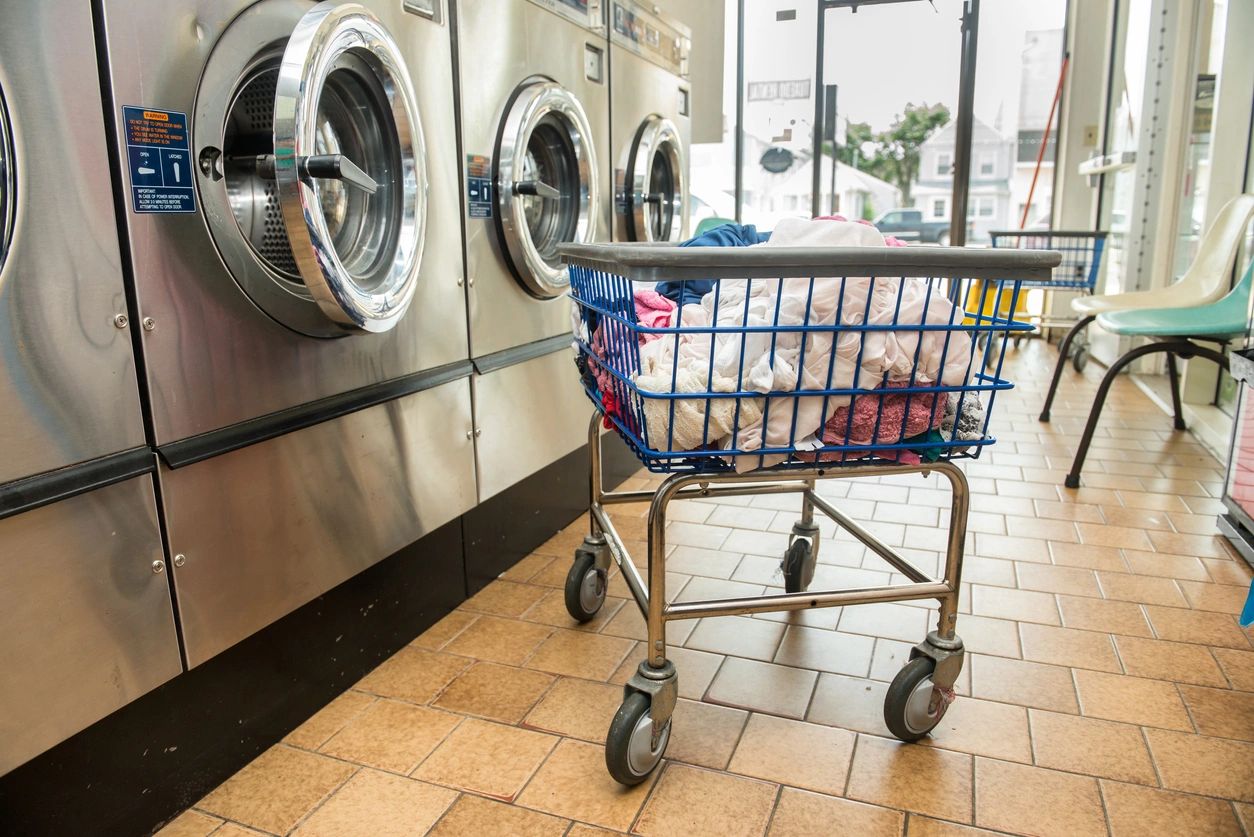
Laundry appliances are among the most frequently used household machines. Whether washing daily clothing, bedding, or towels, choosing the right capacity plays an important role in efficiency and convenience. Selecting machines that match the number of people in a household helps reduce unnecessary wash cycles, energy use, and time spent managing laundry tasks.
For many households, understanding laundry appliance capacity is particularly useful when setting up a new home, upgrading existing appliances, or planning for long term rentals where reliable appliances are essential. Careful planning ensures the equipment selected is practical for everyday use without placing unnecessary pressure on household budgets.
Why Laundry Capacity Matters
Washing machine and dryer capacity determines how much laundry can be cleaned or dried in a single cycle. Choosing appliances that are too small can lead to frequent loads and increased energy consumption, while machines that are too large may use unnecessary water or electricity for smaller households.
Exploring different laundry appliances helps households compare machines that suit their living arrangements, available space, and everyday washing habits.
Capacity planning is especially relevant for people relocating, families expanding, or tenants furnishing homes for long-term living.
Laundry Capacity for Single-Person Households
For individuals living alone, laundry loads are typically smaller and less frequent. Compact washing machines are often sufficient for clothing, towels, and occasional bedding.
In many cases, a compact washing machine provides enough capacity for everyday loads without taking up excessive space in smaller laundry areas.
Smaller appliances are also well suited to apartment living where laundry areas may be limited.
For individuals who have household budgeting restraints and want to upgrade their furniture and appliances, spreading appliance costs through structured payments can make upgrading equipment more manageable while maintaining access to reliable machines.
Laundry Capacity for Couples
Two-person households generally produce larger laundry loads than individuals but still require moderate capacity machines. A mid-sized washing machine allows couples to wash clothing, linens, and household textiles without running multiple cycles each week.
Pairing a washer with a compatible dryer can also improve convenience, particularly in colder climates or apartments without outdoor drying areas.
For households with regular income who can manage small rental payments across a fixed term, spreading appliance costs over time can help establish a functional laundry setup without large upfront purchases.
Laundry Capacity for Families
Families generate significantly more laundry due to children’s clothing, school uniforms, bedding, and towels. Larger washing machines help reduce the number of loads required each week.
Family households often benefit from coordinated laundry appliances such as a washing machine and dryer bundle, which ensures compatible capacity between both machines.
Bundles simplify appliance planning while providing sufficient capacity for busy households with regular washing requirements.
Laundry Planning for Long-Term Rentals
Many tenants remain in rental homes for several years, making dependable laundry appliances an important part of daily life. For those living in long term rentals, it may not always be practical to purchase large appliances outright.
Flexible appliance arrangements help maintain comfortable living conditions while avoiding significant upfront costs. Reviewing available appliance solutions helps households evaluate options that suit both their laundry needs and financial circumstances.
This approach is particularly helpful for households managing budgeting constraints or relocating to new properties.
Other Factors to Consider When Choosing Laundry Appliances
Capacity is not the only factor when selecting washing machines and dryers. Households should also consider:
- Available laundry space.
- Energy efficiency ratings.
- Noise levels in apartments or shared buildings.
- Frequency of washing cycles.
- Drying requirements in different climates.
Balancing these factors helps ensure appliances remain practical throughout everyday use.
Final Thoughts
Laundry appliances are essential components of household functionality. Choosing the right capacity ensures washing tasks remain efficient while reducing time spent managing multiple loads.
Whether living alone, sharing a home, or managing a larger family household, selecting appliances that match laundry demand supports smoother daily routines.
For households relocating, upgrading equipment, or living in long term rentals, thoughtful laundry appliance planning can help create a reliable and efficient home environment.
FAQs

Reviewed by
Dean Hawes has more than nine years’ experience in Australia’s consumer leasing industry and reviews our content to help ensure it is accurate, practical and up to date. Drawing on his expertise in consumer leasing, affordability assessments, and household appliance and furniture rental, he helps Australians make informed leasing decisions.