
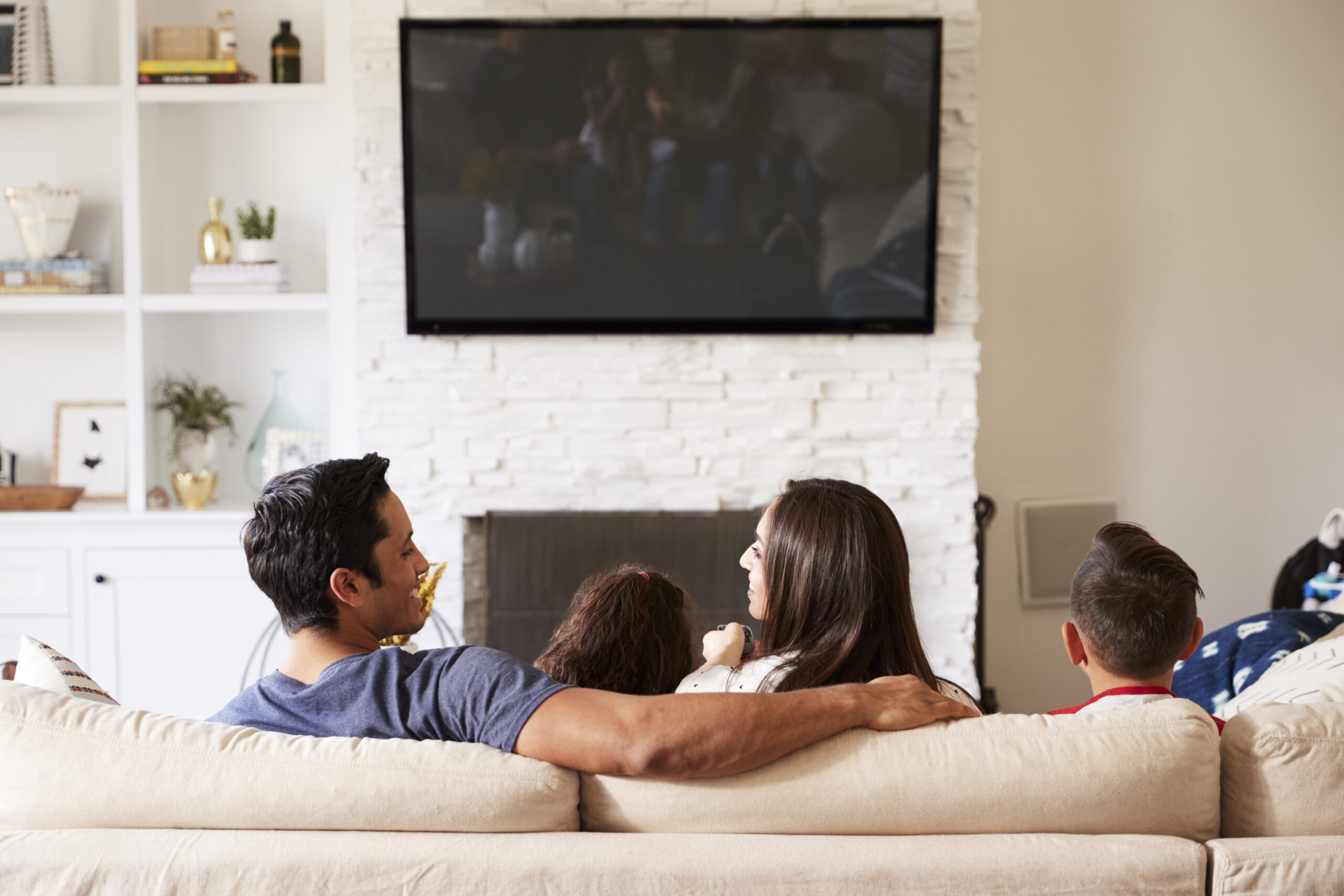
Modern televisions are now central to everyday household life. They are used for streaming, gaming, sports, family entertainment, remote learning, and even home office setups. However, choosing the right TV is not always straightforward because screen size, viewing distance, room layout, and sound quality all affect the overall experience.
For many households, upgrading entertainment systems also happens alongside broader home setup costs. This is particularly relevant for people managing household budgeting restraints while upgrading furniture and appliances, as well as households with regular income who can manage small rental payments across a fixed term. It is also highly relevant for long term rentals where reliable entertainment systems become part of daily living rather than a short-term purchase.
Households comparing different entertainment setups often begin by considering their available space, viewing habits, and the range of home entertainment options available for everyday use. Factors such as screen size, seating distance, room layout, and overall household needs can all influence which solution feels most comfortable and practical over the long term. Exploring different household appliance and technology solutions can also help clarify which setup best aligns with individual preferences and budget considerations.
Why Does TV Size Matter So Much?
TV size has a major impact on viewing comfort, particularly when households spend several hours per day watching content. A screen that is too small may feel underwhelming in larger rooms, while an oversized TV in a compact space can create eye strain and uncomfortable viewing angles.
The ideal TV size usually depends on:
- Room dimensions
- Seating distance
- Viewing habits
- Number of people regularly watching
- Lighting conditions within the space
Smaller living rooms or apartments often suit more compact screens that maintain comfortable viewing without overwhelming the room. Many households begin by comparing practical mid-sized options such as a 55-inch TV rental, particularly for bedrooms, apartments, or flexible living spaces.
Larger entertainment areas may benefit from wider displays that improve immersion for movies, sports, and gaming. In these situations, households often compare 65-inch TV rental options or even larger 75-inch TV rental setups depending on room layout and viewing distance.
Rather than simply choosing the biggest screen available, the best results usually come from selecting a size that matches how the room is actually used each day.
What TV Size Works Best for Different Rooms?
Different rooms create different viewing experiences, which means TV selection should always consider the environment first.
Bedrooms and compact apartments often work best with moderate screen sizes that allow comfortable viewing from shorter distances. These setups usually prioritise flexibility, simplicity, and space efficiency.
Living rooms and shared family spaces typically support larger screens because seating positions are further away and multiple viewers may watch simultaneously. In these environments, larger displays improve visibility and overall entertainment comfort.
Open-plan homes may require even larger screens because viewing angles become wider and ambient light levels may reduce screen clarity during daytime viewing.
Gaming setups can also influence size decisions. Larger displays often improve immersion for console gaming, while refresh rate and motion handling become more important for fast-paced gameplay.
Before choosing a TV, households should consider:
- How far seating is from the screen
- Whether the room receives heavy natural light
- How often the TV will be used daily
- If the TV is primarily for streaming, gaming, or general viewing
- Whether multiple people usually watch together
Carefully evaluating these practical factors often leads to more comfortable long-term viewing experiences.
Viewing Comfort and Everyday Use
Viewing comfort is often overlooked during TV selection, even though it affects everyday usability more than many technical specifications.
Brightness, screen glare, viewing angles, and image sharpness all contribute to overall comfort. In rooms with strong natural lighting, glare reduction and brightness become particularly important because reflections can reduce picture clarity during daytime viewing.
Motion handling also affects comfort, especially for sports, action movies, and gaming. TVs with smoother motion performance may reduce visual strain during long viewing sessions.
Sound quality is another major consideration. Many slim televisions prioritise compact design, which can limit built-in speaker performance. Because of this, households often pair televisions with external audio systems to improve dialogue clarity and overall immersion.
Comparing available sound system options can help households create more balanced entertainment setups suited to both movies and everyday television viewing.
Comfort also involves practical lifestyle considerations. Families with children may prioritise durability and ease of placement, while apartment households may focus on space-saving layouts and manageable audio levels.
Balancing Entertainment Needs With Household Budgets
Entertainment upgrades are often part of broader household planning. Many households may also be managing furniture upgrades, appliance replacements, moving costs, or work-from-home setups at the same time.
This is why many people:
- Have household budgeting restraints and want to upgrade their furniture and appliances
- Prefer manageable recurring payments rather than large upfront purchases
- Need flexible entertainment solutions suited to long term living arrangements
For households with regular income who can manage small rental payments across a fixed term, spreading costs across manageable payments may help make larger entertainment upgrades more achievable.
Long term rentals also influence decision-making because households often want dependable entertainment systems that remain practical over time without requiring significant upfront spending.
Many households researching flexible technology and appliance solutions also compare broader lifestyle considerations discussed in Top Reasons to Rent Appliances in 2025–2026: Convenience, Cost & Flexibility.
Should You Prioritise Picture Quality or Screen Size?
One of the most common questions households face is whether larger screens or better picture quality create the better viewing experience. The answer usually depends on how the TV will be used.
Larger screens often improve immersion for movies, sports, and gaming, particularly in spacious rooms. However, picture quality becomes increasingly important as screen size increases because low-resolution content may appear less sharp on very large displays.
For everyday streaming and casual viewing, many households benefit more from balancing moderate screen size with good overall image quality rather than choosing the largest possible display.
Higher-quality displays may improve:
- Colour accuracy
- Contrast levels
- Viewing comfort during extended use
- Streaming clarity
- Sports and gaming performance
Meanwhile, oversized screens in smaller rooms may create discomfort if viewers sit too close for extended periods.
The best long-term setup is usually one that balances room size, content preferences, and everyday comfort rather than focusing only on technical specifications.
Common Mistakes When Choosing a TV
Many households focus heavily on screen size while overlooking how the TV will function in everyday living environments.
Common mistakes include:
- Choosing oversized TVs for smaller rooms
- Ignoring glare and room lighting conditions
- Underestimating sound quality requirements
- Prioritising specifications over practical viewing comfort
- Forgetting to measure wall or cabinet space
- Selecting entertainment setups that do not suit long-term household needs
Planning around real viewing habits generally leads to more practical outcomes over time.
Final Thoughts
Choosing the right TV involves more than selecting the biggest screen available. Viewing distance, room layout, lighting conditions, audio quality, and daily usage habits all contribute to long-term comfort and practicality.
Different households require different entertainment setups depending on how televisions fit into everyday life. Smaller spaces may benefit from compact, flexible displays, while larger family living areas may support more immersive entertainment systems.
For households upgrading entertainment systems, managing broader home setup costs, or furnishing long term rentals, understanding how TV size and viewing comfort relate to everyday use can help create more balanced and practical decisions over time.
FAQs

Reviewed by
Dean Hawes has more than nine years’ experience in Australia’s consumer leasing industry and reviews our content to help ensure it is accurate, practical and up to date. Drawing on his expertise in consumer leasing, affordability assessments, and household appliance and furniture rental, he helps Australians make informed leasing decisions.