
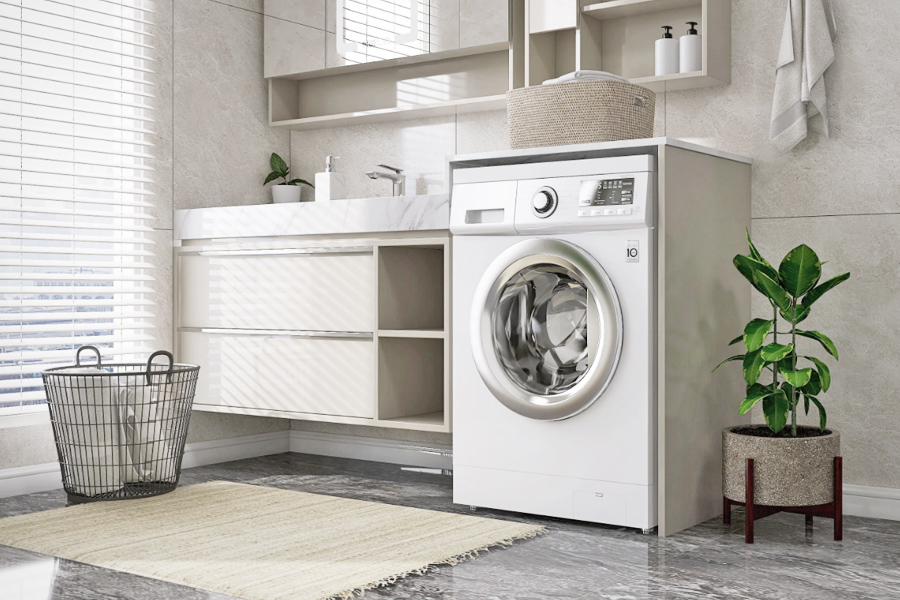
Choosing the right washing machine isn’t just about brand or price. Capacity, layout, wash performance, water efficiency, and household size all play a role in determining which washing machine is good for your needs. This guide breaks down the main washing machine types, practical considerations, and common use cases to help you make an informed decision—especially if flexibility, space, or short-term needs are factors.
Understanding the Main Types of Washing Machines
Before comparing features, it’s important to understand the three most common washing machine types available in Australia.
Top Load Washing Machines
Top loaders remain popular due to their simple design and shorter wash cycles. They are generally easier to load without bending and can suit households that prefer quick, everyday washes.
Best suited for:
- Medium to large households
- Frequent washing cycles
- Users who value simplicity over advanced features
Considerations:
- Typically use more water than front loaders
- Can be less energy efficient over time
Front Load Washing Machines
Front loaders are known for water efficiency and gentler fabric care. They often deliver better cleaning results and spin faster, reducing drying time.
Best suited for:
- Apartments and smaller homes
- Energy-conscious households
- Delicate or mixed fabric loads
Considerations:
- Longer cycle times
- Requires space to open the door fully
Washer Dryer Combos
Washer dryer combos combine washing and drying into a single appliance. They are increasingly common in compact living spaces where separate units aren’t practical.
Best suited for:
- Apartments with limited laundry space
- Renters who cannot install vented dryers
- Occasional drying needs
For households that prefer separate appliances, pairing a washing machine with a dryer can offer faster drying and higher capacity per load.
Depending on space and laundry volume, some households choose a washer dryer combo for convenience, while others opt for a separate washing machine and dedicated clothes dryer to allow larger loads and quicker turnaround between cycles.
Choosing the Right Capacity for Your Household
Capacity is one of the most important factors when deciding which washing machine is good for your situation.
- 5–7kg: Ideal for singles or couples with light laundry needs
- 7–9kg: Suitable for small families or shared households
- 9kg+: Best for large families, frequent washing, or bulky items
Oversizing can waste water and energy, while undersizing leads to more frequent cycles. Households with children, uniforms, or bedding should consider higher capacities to reduce weekly wash frequency.
Space, Layout, and Installation Considerations
Laundry layout often dictates appliance choice more than performance.
Ask yourself:
- Is the laundry a separate room, cupboard, or kitchen space?
- Is there room for side-by-side appliances or only a single footprint?
- Are plumbing and electrical points fixed?
Front loaders can be stacked with dryers, while top loaders require vertical clearance. In smaller spaces, washer dryer bundles are often considered to streamline layout and installation.
Browsing the broader laundry appliance category can help visualise how different appliances fit together in various layouts.
Energy and Water Efficiency Explained
Efficiency ratings directly affect running costs over time. Front load machines typically score higher on both water and energy efficiency scales, while newer top loaders with inverter motors have improved significantly.
Key efficiency factors:
- Higher spin speeds reduce drying time
- Cold-wash performance lowers energy use
- Load-sensing technology adjusts water usage
Understanding efficiency helps balance convenience with ongoing utility costs.
When a Bundle Makes Practical Sense
Some households prefer coordinated appliances that work together from day one. Appliance bundles can simplify decisions and ensure compatible capacities.
Larger households may lean toward a big family appliance bundle, while smaller homes or budget-focused setups may find a budget appliance bundle more appropriate.
Washing Machine Rental vs Ownership: Practical Considerations
While ownership works for long-term homes, rental options are often considered in situations where flexibility matters more than permanence.
Rental may suit:
- Households wanting to avoid maintenance responsibility
- Long-term renters
Understanding your timeframe and lifestyle helps clarify which option aligns best with your needs.
Features That Matter (and Those That Don’t)
Modern washing machines offer a wide range of features, but not all are essential.
Features most users benefit from:
- Quick wash cycles
- Delay start timers
- Variable spin speeds
- Child lock functions
Features that are more situational:
- Smart app connectivity
- Steam refresh cycles
- Auto-dispensing detergent
Prioritising practical features over novelty helps avoid paying for functions that rarely get used.
Key Questions to Ask Before Choosing
Before deciding which washing machine is good for you, consider:
- How often do you wash each week?
- Do you wash bulky items regularly?
- Is drying space limited?
Answering these questions often narrows options faster than comparing brands.
Wrapping It All Together: Making the Right Choice
The best washing machine isn’t universal. It depends on household size, laundry space, efficiency needs, and lifestyle flexibility. By understanding machine types, capacity requirements, and layout constraints, it becomes much easier to select an option that fits both current and future needs.
Whether choosing a single appliance or exploring combined laundry setups, focusing on practicality ensures long-term satisfaction without unnecessary complexity.
If flexibility, convenience are part of your decision, Lightning Rentals offers a range of household appliances designed to suit different living situations.
FAQs

Reviewed by
Dean Hawes has more than nine years’ experience in Australia’s consumer leasing industry and reviews our content to help ensure it is accurate, practical and up to date. Drawing on his expertise in consumer leasing, affordability assessments, and household appliance and furniture rental, he helps Australians make informed leasing decisions.